
 (780) 433-0222
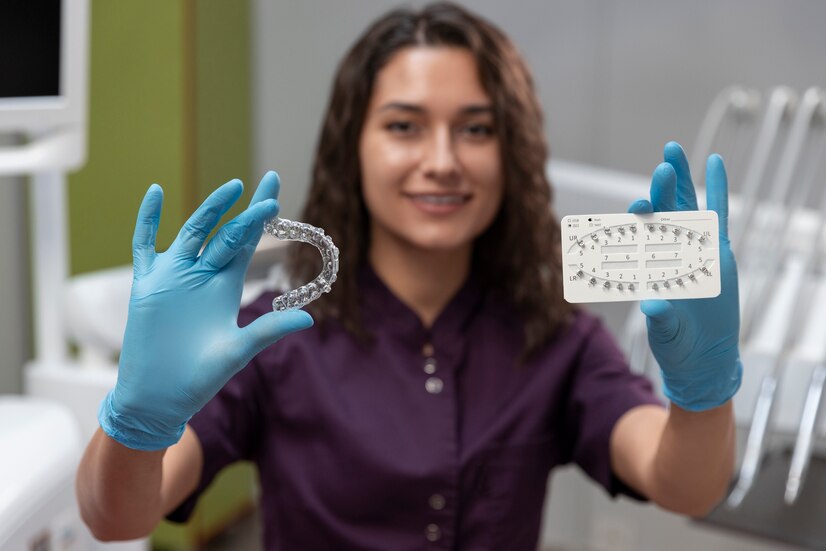
Choosing the right orthodontic treatment can have a major impact on your comfort, appearance, and overall results. At Lumos Dental in Edmonton, we help patients understand the options available, especially when exploring the difference between braces and Invisalign. Both Invisalign clear aligners and traditional braces effectively straighten teeth and improve bite function, but they differ in design, wearability, and maintenance. Having clear information about these differences allows you to select the treatment that best suits your smile and lifestyle.
Whether you prefer a discreet, removable option or a fixed appliance, knowing how each treatment works is key. This article breaks down the main points in the Invisalign vs. regular braces comparison. By knowing the benefits and limitations of both, you can confidently select the treatment that fits your lifestyle and dental needs.
Introduction to Orthodontic Treatment Options
Orthodontic treatments have evolved to offer solutions that fit different needs and lifestyles. Knowing what each option involves helps you choose a path that aligns with your goals and comfort.
Why Teeth Alignment Matters
Proper teeth alignment supports healthier gums, stronger enamel, and improved jaw function. When teeth are misaligned, it becomes harder to clean certain areas thoroughly, increasing the chance of cavities and gum disease.
Misalignment can also affect how your jaw functions. Bite problems such as overbite, underbite, and crossbite can place uneven pressure on your jaw joints, potentially leading to discomfort or even temporomandibular joint (TMJ) disorders over time. Additionally, crowded or overlapping teeth can cause difficulty in maintaining good oral hygiene, leading to plaque buildup and decay.
Orthodontic treatment addresses common issues such as gaps between teeth, crowding, and bite irregularities. Correcting these improves appearance and reduces long-term dental risks, helping you maintain healthier teeth and gums for years to come.
An Overview of Invisalign Clear Aligners
Invisalign clear aligners are removable, clear plastic trays designed to move teeth gradually. These aligners are custom-fitted to your teeth using precise digital scans. Each set is typically worn for 1 to 2 weeks before switching to the next, which gently shifts your teeth into the desired position.
For Invisalign to work well, you need to wear the trays 20 to 22 hours a day. This means removing them only for eating, drinking (except water), brushing, and flossing. Regular dental visits help monitor your progress and allow your dentist to provide new aligners based on how your teeth are moving. Invisalign is most effective for mild to moderate orthodontic concerns such as small gaps, mild crowding, and moderate bite issues.
What to Know About Regular Braces
Regular braces use fixed brackets and wires to reposition teeth. This method remains a reliable choice for treating both straightforward and complex dental problems. Braces involve bonding metal or ceramic brackets to your teeth, which are connected by wires. Adjustments to these wires are made periodically to apply consistent pressure that moves your teeth.
Braces excel in treating severe crowding, rotations, and bite problems that may not respond as well to removable aligners. With braces, oral hygiene requires more attention because food particles can get trapped around brackets and wires. However, many patients successfully maintain good dental care during treatment by using special brushes and flossing tools designed for braces.
By offering both Invisalign clear aligners and traditional braces, Lumos Dental supports patients through every stage of orthodontic care. Our team helps you understand the difference between braces and Invisalign and guides you toward the treatment best suited to your dental condition and personal preferences, aiming to deliver effective and lasting results.
Invisalign vs. Regular Braces: Key Differences
Choosing between clear aligners and braces involves looking closely at how each option feels, looks, and fits into your daily life. Analyzing the key points in the Invisalign vs. regular braces comparison can affect your comfort, treatment process, and even your confidence throughout the journey. Here’s a breakdown to help you weigh your options carefully.
Appearance and Visibility
If appearance matters to you, clear aligners might be the more appealing choice. These trays are made from transparent plastic that fits snugly over your teeth, blending naturally with your smile. Because of their near invisibility, many adults and teens prefer this option to avoid the noticeable look of traditional braces.
Braces, on the other hand, consist of metal or ceramic brackets attached to your teeth and connected by wires. Metal braces are visible, which can affect how you feel in social or professional settings. Ceramic braces are less conspicuous since their colour closely matches natural teeth, but they still show up more than clear aligners.
Daily Comfort and Wearability
When wearing braces, you may experience discomfort, especially after each adjustment. The brackets and wires can rub against the inside of your lips and cheeks, causing soreness or small ulcers. You should also avoid certain hard or sticky foods to prevent damage.
Clear aligners are made from smooth plastic, reducing irritation inside your mouth. Because you can remove them during meals, brushing, and flossing, they offer greater flexibility and comfort. However, it’s important to wear aligners for at least 20 to 22 hours daily to keep your treatment on track. Many patients report less discomfort with aligners compared to braces, which can be helpful if you have a sensitive mouth or are new to orthodontic treatments.
Treatment Efficiency
If your teeth have severe crowding, large gaps, or significant bite problems such as deep overbites or underbites, braces often provide more precise control over tooth movement. The fixed nature of braces means your orthodontist can apply targeted pressure to individual teeth, making them effective for challenging cases.
Clear aligners have made great progress in treating a variety of issues, but still work best when your alignment needs fall into mild or moderate categories. Problems like minor spacing, slight crowding, or moderate bite corrections can respond well to Invisalign. According to a recent study, clear aligners have a success rate of 80–90% for mild to moderate tooth movements, making it a reliable choice for patients seeking discreet and effective orthodontic treatment.
Duration of Treatment
Treatment with braces usually spans 18 to 24 months; Invisalign ranges from 12 to 18 months. Your specific case will affect how long treatment takes, but these averages provide a general idea. Braces often require longer treatment because they are used for complex cases.
Meanwhile, Invisalign treatment tends to be shorter when used for less severe conditions. How consistently you wear your aligners can impact your timeline, as missing hours each day will delay progress.
It’s worth noting that regular check-ins with your dental professional help keep your treatment on schedule. Adjustments to braces and new sets of aligners are part of that process.
Cost Considerations
Costs for Invisalign clear aligners and regular braces are comparable, but depend on case specifics and insurance. Both treatment types typically fall within a similar price range, but complexity influences the total cost. For example, severe cases requiring braces might be more expensive than straightforward Invisalign treatment.
Lumos Dental works to keep pricing transparent and accessible. We also offer direct billing with many insurance providers and adhere to the Alberta Dental Fee Guide, helping you understand your financial options clearly.
Maintenance and Oral Hygiene
Clear aligners can be removed for normal brushing and flossing; braces require more specialized cleaning. Maintaining oral hygiene during orthodontic treatment is important for preventing cavities and gum disease. Aligners let you brush and floss your teeth as usual since you take them out before cleaning. You’ll want to clean your aligners separately to avoid buildup.
Braces create more challenges because food can get trapped around brackets and wires. You’ll need to use special brushes, floss threaders, and be extra thorough to avoid plaque buildup. Patients with braces often require more frequent dental cleanings to keep their teeth healthy during treatment.
At Lumos Dental, we discuss these differences in detail with every patient so you feel confident in your choice between clear aligners vs. braces. Our goal is to support you throughout the treatment process, matching the right solution to your dental needs and lifestyle.
Which Option Fits Your Needs?
Choosing between Invisalign clear aligners and traditional braces depends on your specific dental situation and lifestyle. Both treatments are effective, but they serve different needs and preferences.
When Invisalign May Be the Better Option
Invisalign suits patients wanting a less visible, flexible treatment for mild to moderate misalignment. If you value discretion and the ability to remove your orthodontic device for eating or cleaning, Invisalign might be a good fit. This option is popular among adults and teens who want to improve their smile without drawing attention to their treatment.
Ideal candidates for Invisalign include adults and teens focused on aesthetics. The clear trays are nearly invisible, which makes them appealing for professional or social settings. You also need to be committed to wearing the aligners for 20 to 22 hours each day, since consistency directly impacts how well the treatment progresses. Invisalign works best when your dental issues are not severe; patients without complicated bite problems or rotated teeth tend to see the best results.

When Braces Might Be More Appropriate
Braces are recommended for more complex alignment problems or when patient compliance may be a concern. If your teeth require major adjustments, such as severe crowding or significant bite correction, braces are often the more effective choice. Because braces are fixed to your teeth, you don’t have to worry about removing them or remembering to wear them, which can be helpful for younger patients or those who may struggle with compliance.
Braces are especially beneficial when precise tooth movement is required, as orthodontists have more control over adjustments. This makes braces the go-to option for complex cases that involve rotated teeth, gaps, or bite issues like crossbite and underbite.
Factors That May Affect Your Choice
The decision between clear aligners vs. braces depends on dental condition, lifestyle, and treatment goals. Before choosing, your dentist will evaluate the severity of your misalignment to determine which method can achieve the best results. They will also discuss what you expect from treatment and how your daily routine might influence the effectiveness of each option.
For example, if your lifestyle involves frequent social events or professional meetings, Invisalign’s discreet appearance may appeal to you. On the other hand, if you have an active lifestyle or difficulty adhering to strict wear schedules, braces may fit better into your routine. The treatment path must align with your needs to avoid delays or complications.
At Lumos Dental, we work closely with you to match the right orthodontic solution to your personal circumstances. Whether you’re weighing clear aligners vs. braces, our approach centers on detailed evaluations and patient-focused care, guiding you toward the treatment that best fits your dental health and lifestyle.
Invisalign Clear Aligners at Lumos Dental
Choosing the right orthodontic treatment starts with knowing which conditions can be addressed effectively by each method. Invisalign clear aligners have become a popular choice for many because they treat a range of common dental issues with a discreet and comfortable approach.
Conditions Invisalign Can Address
Invisalign clear aligners effectively treat:
Spacing issues: Gaps between teeth not only affect your smile but can also trap food and increase the risk of gum problems. Invisalign trays gradually close these spaces by applying gentle pressure, moving your teeth closer together.
Mild to moderate crowding: When teeth overlap or are too close, cleaning becomes difficult, and plaque buildup can lead to cavities. Invisalign’s custom aligners can shift teeth into better positions, improving both function and appearance.
Overbite, underbite, crossbite: These bite misalignments impact chewing and can cause jaw discomfort over time. Invisalign offers solutions for many mild to moderate bite issues by carefully repositioning the teeth and jaw alignment.
Open bite: An open bite occurs when the upper and lower teeth don’t meet properly, making it harder to chew or speak clearly. Invisalign aligners can help close this gap in certain cases by encouraging tooth movement and jaw adjustment.
What to Expect From Your Consultation
During an Invisalign consultation, Lumos Dental performs a detailed exam and digital scan. This process includes:
Capturing precise 3D impressions: Using advanced digital scanning technology, we create an accurate 3D model of your teeth. This replaces the traditional messy moulds and helps design aligners tailored exactly to your mouth.
Reviewing your alignment goals: You will discuss your smile goals and any concerns you have. This helps us tailor the treatment plan to meet your expectations.
Explaining treatment options and expected outcomes: We will go over how Invisalign works in your case, the approximate timeline, and what results you can expect based on your dental condition.
Why Edmonton Patients Choose Lumos Dental
Many patients in Edmonton select Lumos Dental for their Invisalign treatment because of the combination of expert care, convenience, and patient-focused services.
Services include:
- Free Invisalign consultations that help you understand what’s possible before committing to treatment
- Direct insurance billing to simplify payment processes
- Acceptance of the CDCP and AISH plans makes treatment accessible to a wider community
- Evening and Saturday hours for scheduling flexibility that fits busy lifestyles
- A paperless clinic near Mill Creek for a smooth and modern patient experience
Dr. Taka Shah leads the clinic with a focus on preventive care and keeping up with modern dental techniques. This approach allows patients to receive treatments designed for long-term oral health, not just quick fixes.
Book an Appointment With Lumos Dental
Taking the next step toward a straighter smile begins with a professional consultation. At Lumos Dental, we provide personalized evaluations to help you understand the difference between braces and Invisalign and determine which option best fits your dental needs.
Contact us today at (780) 433-0222 to schedule your consultation. Our team is ready to guide you through the process and answer any questions. You can also visit our Contact Page to book an appointment online and learn more about our services. Let Lumos Dental support you on your journey to a healthier, more confident smile.

Dr. Taka Shah graduated from the University of Alberta Dentistry program in 2011 and is the owner of Lumos Dental in Edmonton, Alberta. He is passionate about lifelong learning and has pursued extensive postgraduate training to enhance his skills and knowledge. His clinical expertise includes sedation dentistry and advanced Invisalign techniques, supported by his active membership in the American Academy of Clear Aligners. Dr. Shah is dedicated to providing high-quality dental care and helping his patients achieve healthy, confident smiles.